Lost in the Charm of South Africa’s Garden Route City Districts
Ever wondered what it feels like to wander through towns where ocean breezes meet mountain air, and every street corner tells a story? The Garden Route in South Africa isn’t just about scenic drives—it’s a journey through vibrant city districts, each with its own rhythm. From colorful markets to coastal promenades, this region invites travelers to step beyond postcard views and into the heartbeat of daily life. Stretching over 300 kilometers along the southern coast, the Garden Route blends natural splendor with cultural depth. What makes it truly special isn’t only the forests, lagoons, and beaches—but the communities that call these towns home. Here, exploration becomes connection, and every district offers a chapter in a story worth remembering.
Introducing the Garden Route: More Than Just a Scenic Drive
The Garden Route is often celebrated for its panoramic coastal vistas, winding roads flanked by indigenous forests, and postcard-perfect beaches. Yet to experience it only from behind a windshield is to miss its soul. This 300-kilometer stretch, running from Mossel Bay in the west to Storms River in the east, is not merely a scenic drive—it is a living corridor of towns, cultures, and traditions. The true essence of the Garden Route unfolds in its city districts, where daily life pulses with warmth, creativity, and resilience. These are places where generations have shaped identities through trade, craftsmanship, and stewardship of the land and sea.
Historically, the towns along the route developed as cultural crossroads. Indigenous Khoisan communities were the original inhabitants, living in harmony with the region’s rich biodiversity. With European settlement came Dutch and British influences, visible in architecture, place names, and farming practices. Over time, these interactions gave rise to unique local identities—blending old and new, rural and urban, tradition and innovation. Today, the Garden Route’s districts reflect this layered history, offering visitors not just beauty, but context. They are spaces where heritage is preserved, not in museums alone, but in the rhythm of market days, the recipes passed from grandmother to granddaughter, and the songs sung at community gatherings.
What sets the Garden Route apart from other tourist destinations is its balance between accessibility and authenticity. Unlike resort towns built solely for visitors, these districts are lived-in, working communities. They welcome tourism, but on their own terms—inviting guests to engage, not just observe. Whether it’s a handmade basket sold at a roadside stall or a guided forest walk led by a local elder, experiences here are rooted in real life. This authenticity is what makes the journey so transformative. Travelers don’t just see the Garden Route—they feel it, taste it, and carry a piece of it with them long after they leave.
Knysna: The Heartbeat of the Garden Route
If the Garden Route has a pulse, it beats strongest in Knysna. Nestled around a vast natural lagoon, this town is a harmonious blend of natural beauty and urban charm. Its waterfront is alive with activity—fishermen hauling in the morning catch, families strolling along the jetty, and cyclists pausing to take in the view. The iconic Knysna Heads, two dramatic cliffs guarding the lagoon’s entrance, stand as sentinels of both geology and legend. According to local lore, these sandstone formations were once a giant’s gate, now forever sealed by time and tide. Whether myth or memory, the Heads captivate all who stand before them, offering panoramic views of the Indian Ocean meeting the estuary.
Knysna’s High Street is a tapestry of colors, sounds, and scents. Artisan shops display hand-carved wooden sculptures, woven textiles, and locally made jewelry. The weekly farmers’ market draws crowds not only for fresh produce but for the chance to meet the people behind the goods—farmers from nearby valleys, beekeepers with raw honey, and bakers offering traditional koeksisters. One of the town’s most beloved culinary experiences is its oysters. Harvested from the lagoon, they are served raw, grilled, or in creamy stews at waterfront restaurants where sea breezes mingle with the clink of cutlery. The Knysna Oyster Festival, held each winter, celebrates this delicacy with tastings, live music, and community events, drawing visitors from across the country.
Beyond its charm, Knysna is a model of balanced development. While tourism plays a vital role in the local economy, the town has made conscious efforts to preserve its character. Community-led eco-tours take visitors into the surrounding Knysna forests—part of the ancient Afro-montane ecosystem—where guides share knowledge of medicinal plants, bird species, and forest conservation. These experiences go beyond sightseeing; they foster respect for the environment and appreciation for indigenous wisdom. At the same time, local schools and cultural centers offer workshops in traditional crafts, ensuring that younger generations remain connected to their heritage. In Knysna, tourism and tradition coexist, each enriching the other.
Plettenberg Bay: Coastal Cool and Community Vibe
Plettenberg Bay, often called Plett by locals, radiates a relaxed energy that instantly puts visitors at ease. Its wide beaches, framed by rolling dunes and coastal fynbos, invite long walks, sunbathing, and quiet reflection. Robberg Beach, a nature reserve at the tip of a peninsula, is particularly renowned for its dramatic cliffs, seal colonies, and hiking trails that offer sweeping views of the coastline. The sound of waves crashing against rock, the cry of gulls overhead, and the salty tang in the air create a sensory experience that lingers in memory. For many, Plett feels less like a destination and more like a return to something familiar—a place where time slows and the mind unwinds.
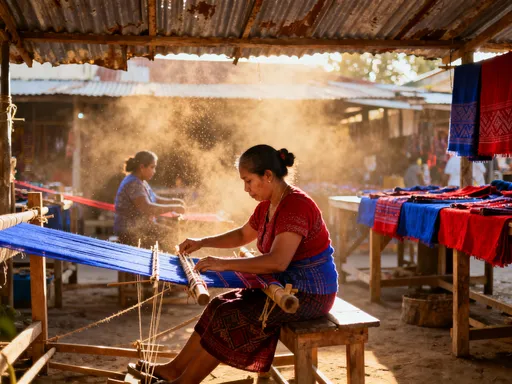
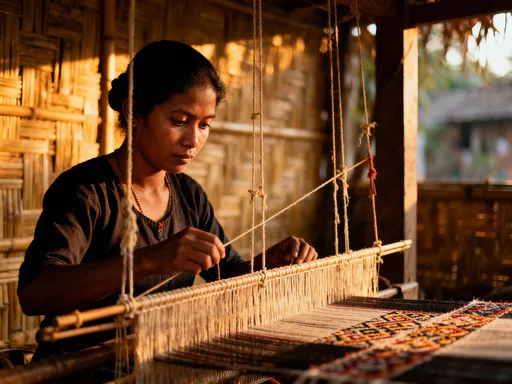
What truly defines Plettenberg Bay, however, is its strong sense of community. The town’s township areas, such as New Horizons and Karatara, are hubs of creativity and resilience. Craft cooperatives here produce beaded jewelry, woven mats, and ceramic art, often using techniques passed down through generations. Small cafes and spaza shops—locally run convenience stores—serve as social centers where neighbors gather over coffee and conversation. These spaces are not hidden; they are part of the town’s open fabric, welcoming visitors who come with curiosity and respect. Guided community walks, led by local residents, offer insights into daily life, history, and the challenges and triumphs of township living.
Plett also stands out for its commitment to environmental sustainability. Whale watching, a major draw from June to November, is conducted with strict guidelines to protect southern right whales as they calve in the bay. Local organizations partner with researchers to monitor marine life, and educational programs teach children about ocean conservation. Sustainable fishing initiatives ensure that local fisheries remain viable without depleting stocks. Even tourism infrastructure—such as boardwalks and viewing platforms—is designed to minimize ecological impact. This deep respect for nature is woven into the town’s identity, making Plettenberg Bay not just a beautiful place to visit, but a responsible one to support.
George: Where Heritage Meets Modern Living
As the largest city on the Garden Route, George serves as both a gateway and a anchor point for travelers. Its central location makes it a logistical hub, yet it retains the warmth and accessibility of a small town. The historic center, with its wide avenues and stately trees, reflects its 18th-century origins as a timber town. The Dutch Reformed Church, built in the 1840s, stands as a testament to the town’s colonial past, its white façade and clock tower a familiar landmark. Nearby, the Old Gaol Museum offers a glimpse into local history, from early settlement to the development of the railway, which once connected George to the interior.
Today, George is a city in motion—honoring its roots while embracing progress. Modern shopping centers, medical facilities, and educational institutions like the Garden Route Campus of the Nelson Mandela University reflect its role as a regional center. Yet development has not come at the expense of green space. The city is surrounded by forests and nature reserves, and urban planning emphasizes walkability and environmental preservation. The Garden Route Botanical Garden, located just outside the city, showcases indigenous plants and serves as a center for conservation education. Parks and trails within the city encourage outdoor activity, making George a healthy, livable community.
One of George’s quiet strengths is its ability to support tourism without becoming tourist-dependent. Travelers passing through find reliable services—car rentals, fuel stations, pharmacies, and supermarkets—without the inflated prices or overcrowding seen in more seasonal destinations. At the same time, cultural events, such as the George Arts Festival, bring locals and visitors together in celebration of music, theater, and visual arts. The city’s airport offers domestic flights, making it an accessible entry point for those flying in from Johannesburg or Cape Town. In George, practicality and charm coexist, offering a grounded experience amid the Garden Route’s scenic wonders.
Oudtshoorn: The Unexpected Inland Gem
Leaving the coast behind, the journey inland to Oudtshoorn reveals a different face of the Garden Route—one shaped by arid landscapes, agricultural innovation, and geological marvels. Nestled in the Little Karoo, Oudtshoorn is known worldwide as the ostrich capital of the world. In the late 19th century, the town boomed during the feather trade, when ostrich plumes were a symbol of luxury in Europe. The wealth from this industry is still visible in its grand Cape Dutch mansions, with gabled roofs and sweeping lawns, built by feather barons who once rivaled diamond magnates in influence.
Today, ostrich farming remains a vital part of the local economy, though its focus has shifted from feathers to meat, leather, and eco-tourism. Guided tours of ostrich farms offer close encounters with these majestic birds, explaining their biology, behavior, and role in sustainable agriculture. Visitors can watch feeding sessions, touch ostrich eggs—among the largest in the world—and learn how leather is tanned and crafted into durable goods. Some farms also emphasize animal welfare and conservation, ensuring that farming practices align with ethical standards. For many travelers, this experience is both educational and eye-opening, challenging preconceptions about farming and food.
Oudtshoorn’s other crown jewel is the Cango Caves, a network of limestone caverns formed over millions of years. Located just outside the town, these caves feature towering chambers, delicate calcite formations, and underground passages that stretch for kilometers. Guided tours range from the standard route, suitable for all ages, to the adventurous “Cango Adventures” experience, which involves crawling through narrow tunnels—a thrill for the daring. The caves are not only a natural wonder but also a site of cultural significance, with evidence suggesting that indigenous people used them for shelter and rituals centuries ago. Together, the ostrich farms and Cango Caves make Oudtshoorn a destination of contrast and discovery, proving that the Garden Route’s wonders extend far beyond the coastline.
Practical Exploration: Navigating Districts with Ease
One of the joys of traveling the Garden Route is the ease with which its districts can be explored. A rental car remains the most flexible option, allowing visitors to set their own pace and access remote viewpoints, beaches, and trails. The N2 highway runs the length of the route, well-maintained and clearly signed, with scenic detours leading to coastal lookouts, forest paths, and small towns. Fuel stations, rest areas, and emergency services are regularly spaced, ensuring safety and convenience. For those who prefer not to drive, local shuttle services and guided tour operators offer reliable alternatives, often including stops at key attractions and commentary on regional history and ecology.
Bicycle rentals are increasingly available in towns like Knysna and Plettenberg Bay, where dedicated lanes and flat terrain make cycling a pleasant way to explore. Many visitors enjoy biking along waterfront promenades or through quiet neighborhoods, stopping at cafes and craft shops along the way. For longer distances, intercity bus services connect major towns, though schedules should be checked in advance. Public transportation within towns is limited, so planning is essential for those without private transport.
Connectivity is generally good, with most hotels, restaurants, and public areas offering free Wi-Fi. Mobile data networks cover the main route, allowing travelers to use digital maps, translation apps, and travel guides. However, in remote forest or mountain areas, signal may weaken, so downloading offline maps is advisable. Road signage is in English and often includes pictograms, making navigation intuitive. Parking is available in town centers, though some areas may require a small fee during peak season. Local tourist offices, found in every major town, provide updated information on events, weather, and road conditions, and staff are typically helpful and welcoming.
Safety is a priority throughout the Garden Route. While crime rates are relatively low compared to major cities, standard precautions apply—keeping valuables secure, avoiding isolated areas at night, and staying aware of surroundings. Travelers are encouraged to engage with locals respectfully, ask permission before photographing people, and support community-based enterprises. By doing so, they not only enhance their own experience but also contribute to sustainable tourism that benefits residents.
Why These Districts Matter: Culture, Sustainability, and Connection
At its core, the Garden Route is more than a collection of beautiful places—it is a network of communities whose lives are intertwined with the land, the sea, and the seasons. To visit its districts is to witness resilience, creativity, and a deep sense of place. Each town offers something unique, yet all share a common thread: the belief that travel should be meaningful. It’s not just about checking off landmarks, but about connecting—with people, with nature, with stories that stretch across generations.
Community-based tourism has become a growing force along the route, empowering local residents to share their knowledge, skills, and culture on their own terms. Whether it’s a guided walk through a township, a cooking class featuring traditional dishes, or a craft workshop using indigenous materials, these experiences foster mutual respect and understanding. They remind visitors that tourism is not a one-way exchange, but a dialogue—one that can uplift, educate, and inspire.
Environmental stewardship is equally central to the Garden Route’s identity. From marine conservation in Plettenberg Bay to forest protection in Knysna and sustainable farming in Oudtshoorn, residents understand that their livelihoods depend on healthy ecosystems. Initiatives to reduce plastic waste, promote renewable energy, and protect endangered species reflect a long-term vision for the region’s future. Travelers who support eco-friendly businesses, follow conservation guidelines, and minimize their footprint become part of this effort, helping to ensure that the Garden Route remains vibrant for generations to come.
In a world where travel can sometimes feel rushed or superficial, the Garden Route invites a different pace—one of presence, curiosity, and gratitude. It asks visitors to slow down, to listen, to engage with kindness. The towns along this route do not perform for tourists; they live, they grow, they welcome. And in that authenticity lies their greatest gift. To wander through the districts of the Garden Route is not just to see a place, but to feel at home in it—even if only for a little while.