You Won’t Believe What I Ate in Rotorua
When I first arrived in Rotorua, I was chasing geysers and hot springs—but it was the food that truly blew me away. From steaming hangi feasts cooked underground to cozy cafes serving Māori-inspired treats, the flavors here are as bold as the landscape. This isn’t just eating; it’s a cultural journey on a plate. Let me take you through the tastes that made my trip unforgettable. The scent of warm earth, wood smoke, and simmering meat lingered in the air long before I saw the first dish. What I discovered was more than a meal—it was memory, identity, and connection served with quiet pride on every plate.
Arrival in Rotorua: First Impressions Beyond the Geothermal Wonders
Rotorua greets visitors with a sensory overture unlike any other. As the rental car wound through the outskirts of town, the first hint of sulfur tickled the nose—a scent both sharp and strangely comforting, like nature’s own signature. Towering plumes of steam rose from cracks in the earth, curling into the morning sky like whispered secrets from deep below. Pools of ochre and turquoise bubbled in rhythmic pulses, their surfaces trembling with geothermal energy. Nearby, the rhythmic plop of mud pots offered a natural percussion section, while the distant call of tūī birds echoed through the native bush. It was a landscape alive with movement and sound, a place where the Earth felt close enough to touch.
Yet, within hours of arrival, it became clear that Rotorua’s true heartbeat wasn’t just in its volcanic drama—it was at the dining table. While many come for the geysers and spa retreats, what stayed with me longest were the shared meals, the warmth of kitchens both traditional and modern, and the way food anchored every experience. Whether it was a simple lunch at a roadside stall or an evening feast under a canopy of stars, each bite carried meaning. The land nourishes not just through heat and steam, but through what grows from it and how its people honor that abundance.
What surprised me most was how effortlessly the cuisine wove into the rhythm of daily life. There was no separation between culture and consumption—every dish told a story of connection to the land, ancestors, and community. This wasn’t tourism packaged for convenience; it was authenticity offered with generosity. The realization shifted my entire trip. Instead of ticking off attractions, I began seeking out meals as destinations in themselves. And in doing so, I found a deeper, richer understanding of what it means to truly visit a place—not just see it, but taste it, feel it, and carry it home in memory.
The Heart of Māori Cuisine: Discovering the Hangi Experience
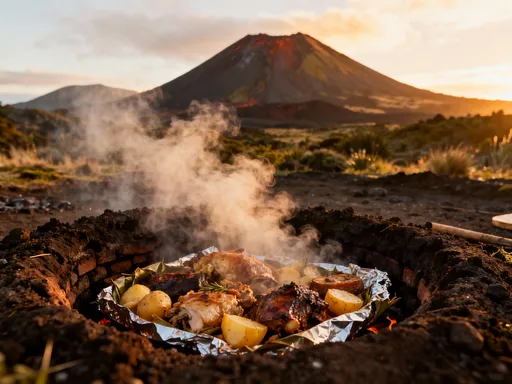
No introduction to Rotorua’s culinary soul is complete without the hangi, a traditional Māori method of cooking food using heated rocks buried in an earth oven. To witness this process is to witness time itself slow down. At a cultural evening hosted by a local iwi (tribe), I watched as elders carefully layered baskets of meat, root vegetables, and stuffing into a pit lined with hot stones. The food was covered with damp cloths, then sealed beneath soil, allowing the steam to work its magic over several hours. The anticipation built not just from hunger, but from the ritual—the chants, the stories shared around the fire, the sense of belonging that unfolded with each passing minute.
When the earth was finally peeled back, the aroma was nothing short of transformative—rich, smoky, deeply savory, with a sweetness drawn from the slow caramelization of kūmara (sweet potato) and the tender fall-off-the-bone lamb. Each serving was presented with care, often accompanied by explanations of the ingredients’ significance. For instance, pork wrapped in leaves wasn’t just about flavor—it symbolized protection and care. Every element had meaning. Eating from a communal platter, seated on the ground or on woven mats, reinforced the values of whanaungatanga (kinship) and manaakitanga (hospitality).
The hangi is more than a meal; it is an act of preservation, a living tradition passed down through generations. In a world where fast food dominates, this slow, deliberate way of cooking feels revolutionary. It demands patience, respect, and collaboration. As I savored each bite, I felt a profound sense of gratitude—not only for the nourishment, but for the invitation to participate in something sacred. Travelers often seek authenticity; here, it is not performed for show, but lived with sincerity. The hangi doesn’t just feed the body—it feeds the spirit.
Farm-to-Table Realness: Exploring Local Markets and Food Stalls
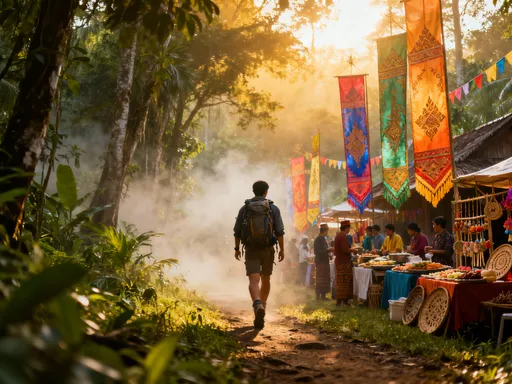
One Saturday morning, I followed the hum of conversation and the scent of baking bread to Rotorua’s weekly farmers’ market, held beneath a canopy of mature pōhutukawa trees. Stalls overflowed with seasonal produce—crisp apples from nearby orchards, plump tomatoes still warm from the sun, bunches of watercress pulled from clean, fast-flowing streams. Artisan bakers offered sourdough loaves with crackling crusts, while honey vendors displayed golden jars of manuka and rata honey, each labeled with the region where the bees foraged.
What struck me most was the pride in every vendor’s voice. A woman selling rewena bread—a traditional Māori sourdough made with fermented potato starter—explained how her grandmother taught her the method, passing down not just a recipe, but a rhythm of life. “It takes time,” she said with a smile, “but good things always do.” Nearby, a young couple offered kūmara and horopito relish, blending native flavors into spreads that paired perfectly with local cheeses. These weren’t just products—they were heirlooms, testaments to a deep relationship between people and land.
Shopping here felt like a conversation. Questions were welcomed, stories freely shared. I left with a paper bag full of fresh produce, a jar of spiced plum chutney, and a renewed belief in the power of small-scale, sustainable food systems. For travelers, these markets offer more than sustenance—they provide access to the everyday rhythms of local life. There’s a quiet dignity in food grown with care, sold by the hands that nurtured it. In a world increasingly dominated by global supply chains, Rotorua’s markets stand as a reminder that flavor begins with connection.
Hidden Cafés and Cozy Eateries: Off-the-Beaten-Path Flavor Spots
Away from the main tourist strips, tucked into quiet neighborhoods or nestled beside quiet lakeside paths, Rotorua hides some of its most memorable dining experiences. One afternoon, guided by a tip from a local librarian, I found Te Aroha Bakery & Café, a modest shop with checkered curtains and the scent of cinnamon in the air. The menu was simple: homemade soups, freshly baked pies, and a specialty rewena bread served with kūmara butter—sweet, earthy, and unlike anything I’d tasted before.
The lamb and kūmara pie, recommended by the owner, was a revelation. The crust was flaky yet sturdy, the filling rich with slow-cooked meat and herbs that hinted at something wild and native. As I ate, a group of older men shared a table nearby, laughing over cups of strong tea. No one spoke English as a first language, yet the warmth was universal. This wasn’t a café designed for Instagram—it existed to feed neighbors, to be a gathering place, to offer comfort in the form of good food and easy company.
Another gem was a small roadside stall near Lake Tarawera, where a Māori family sold fresh-baked scones infused with mānuka honey and served with whipped cream made from local dairy. They operated only on weekends, closing early when supplies ran out. There was no website, no signage beyond a hand-painted board. Yet people came—locals, hikers, families on day trips—all drawn by word-of-mouth and the promise of something real. These unassuming spots don’t shout for attention. They don’t need to. Their power lies in their humility, their authenticity, and the quiet confidence that if you make something with love, people will find it.
Modern Twists on Tradition: Restaurants Merging Māori Flavors with Contemporary Style
In recent years, a new wave of chefs in Rotorua has begun reimagining indigenous ingredients through a modern lens, creating dishes that honor the past while speaking to the present. At one acclaimed lakeside restaurant, I sampled a starter of fern-tip salad—young, tightly coiled shoots of hēnu (fiddlehead fern) lightly blanched and tossed with citrus vinaigrette and toasted seeds. The flavor was bright, slightly nutty, with a texture that reminded me of asparagus at its most tender.
The main course featured smoked eel, a traditional protein once commonly preserved for winter months, now elevated with a reduction of red wine and native thyme. Dessert was a delicate pūhā and horopito crème brûlée—the slightly bitter green shoots balanced by the sweet custard, the horopito (a native pepper leaf) adding a subtle heat that lingered on the tongue. Each dish was plated with care, a visual poem of green, gold, and earth tones that mirrored the surrounding landscape.
What impressed me most was the respect embedded in every preparation. These chefs weren’t appropriating culture—they were collaborating with elders, learning the proper names and uses of plants, and acknowledging the knowledge systems behind each ingredient. The menu included brief descriptions of the cultural significance of certain foods, inviting diners to eat with awareness. This kind of innovation doesn’t erase tradition—it expands it, making it accessible to new audiences without diluting its essence. For travelers, it offers a bridge between curiosity and understanding, allowing them to engage with Māori cuisine in a way that feels both contemporary and deeply rooted.
Cooking Like a Local: A Hands-On Workshop That Changed My Perspective
Perhaps the most transformative moment of my trip came during a half-day Māori cooking workshop led by a kaumātua (respected elder) and her daughter, both passionate about preserving culinary heritage. We met in a community kitchen on the edge of a marae (meeting ground), where long tables were set with fresh ingredients: kūmara, pūhā, watercress, and bundles of wild herbs gathered that morning.
We began by preparing a simple boil-up—a hearty stew of pork, potatoes, and greens—while our hosts explained the symbolism behind each component. The pork, they said, represented strength; the kūmara, sustenance; the broth, the flow of life. As we chopped and stirred, they shared stories of family meals, of learning to cook from grandmothers who measured by feel, not by cups or scales. We then tried our hand at making rewena bread, kneading the fermented dough with care, learning how to judge readiness by touch and smell.
But the most profound lesson came when we discussed the concept of kaitiakitanga—guardianship of the land. “We don’t take more than we need,” our teacher said, holding up a sprig of kawakawa. “We give thanks before we harvest. Food is not just fuel—it is a gift.” That shift in mindset—from consumption to reciprocity—changed how I saw every meal thereafter. Participating in the creation, rather than just the consumption, deepened my appreciation exponentially. For travelers seeking meaningful experiences, such workshops offer more than skills—they offer insight, connection, and a chance to carry a piece of culture home in the most literal way.
Why Rotorua’s Food Scene Deserves a Spotlight—And Your Next Visit
Rotorua’s cuisine is not merely a collection of dishes—it is a living expression of identity, resilience, and connection. Here, food is inseparable from place, from history, from community. Whether experienced through the deep earthiness of a hangi, the vibrant energy of a farmers’ market, or the thoughtful innovation of a modern kitchen, every bite tells a story. It speaks of a culture that values balance, respect, and generosity—not just at the table, but in life.
What makes Rotorua unique is that its culinary offerings are not curated for spectacle. They are part of daily life, shared willingly with visitors who come with open hearts and curious palates. There is no performance, no pretense—only real food, made by real people, rooted in real tradition. In a travel landscape often dominated by imitation and convenience, this authenticity is rare and precious.
For women in their thirties to fifties—mothers, caregivers, seekers of meaningful connection—this kind of travel resonates deeply. It’s not about ticking off landmarks or chasing thrills. It’s about slowing down, listening, learning, and savoring. It’s about finding beauty in simplicity, strength in tradition, and joy in shared meals. Rotorua invites you not just to see, but to feel. To not just visit, but to belong, even if just for a meal.
So when you plan your next journey, consider letting flavor lead the way. Seek out destinations where food is more than fuel—where it is heritage, healing, and hospitality all at once. Let your curiosity guide you to tables where stories are shared, where hands shape dough with memory, where the land itself is honored in every bite. Because the most unforgettable trips aren’t measured in miles, but in moments—like the first taste of rewena bread, warm from the oven, or the silence that falls when a hangi pit is uncovered, and the steam carries centuries of tradition into the present. Go. Taste. Remember. And let the world nourish you, one real meal at a time.