You Won’t Believe These Hidden Art Gems in Hallstatt
Tucked between mirror-like lake waters and towering alpine peaks, Hallstatt, Austria, is more than just a postcard-perfect village. Beyond the crowds and charming cobbled lanes, there’s a quieter, creative side waiting to be discovered. I’m talking about hidden art spaces—small galleries, tucked-away studios, and unexpected installations—that breathe contemporary life into this ancient town. These spots reveal how tradition and modernity dance in harmony. While most visitors come for the panoramic views and UNESCO World Heritage status, those who pause to notice the subtle brushstrokes of local creativity find a deeper connection to this alpine gem. This is not just a destination of scenic beauty, but one of quiet artistic resilience.
The Allure of Hallstatt: Beauty Beyond the Brochure
Hallstatt’s fame is no accident. Its dramatic setting—where steep forested mountains rise sharply from the glassy surface of Lake Hallstatt—has captivated travelers for centuries. The village itself clings to the shoreline like a cluster of gingerbread houses, connected by narrow footpaths and linked to the outside world by a single road and a quiet ferry service. Every year, hundreds of thousands of visitors arrive by train, boat, and foot, eager to walk its historic streets and snap the perfect photo at the iconic Marktplatz. Yet, the essence of Hallstatt is not found in the busiest moments, but in the stillness that remains just beyond the camera flashes.
At dawn, when the first light spills over the Dachstein peaks and paints the water in soft gold, the village exhales. Shopkeepers unlock wooden shutters, steam rises from chimneys, and fishermen check their nets with practiced ease. This is when Hallstatt feels most authentic—alive not as a museum piece, but as a living, breathing community. And within this rhythm, art emerges not as spectacle, but as daily expression. The flower boxes overflowing with geraniums are arranged with care, the hand-carved signs above doorways bear the mark of local craftsmanship, and the quiet alleys echo with generations of stories. For those willing to wander slowly, the village reveals itself not just as a visual wonder, but as a canvas shaped by time and tradition.
Yet, the increasing tide of tourism threatens to overshadow these delicate layers. Cruise buses arrive in waves, and selfie sticks outnumber sketchbooks. The main thoroughfare can feel more like a corridor than a community. But rather than resist change, many residents have responded by turning inward—preserving their identity through creativity. Art, in this context, becomes both sanctuary and statement. It’s a way of saying: we are still here, still making, still feeling. And if you know where to look, you’ll find that Hallstatt’s soul is not in the postcards, but in the quiet corners where imagination still has room to grow.
Art in the Alpine Air: Why Creativity Thrives Here
The natural grandeur of Hallstatt has long drawn artists seeking inspiration. As early as the 19th century, Romantic painters journeyed to this remote valley to capture the sublime interplay of light, water, and mountain. The silence, the clarity of the air, and the ever-changing moods of the lake offered a kind of spiritual clarity that urban studios could not replicate. Today, that same energy continues to attract creatives—from photographers who return each spring to document the blooming alpine meadows, to sculptors who draw from the textures of stone and wood found in the surrounding forests.
What makes Hallstatt uniquely conducive to artistic expression is not just its beauty, but its solitude. Despite the crowds during peak season, the village remains small—home to fewer than 800 permanent residents. Life moves at a deliberate pace. There are no traffic lights, no shopping malls, and only a handful of restaurants. This simplicity creates space for reflection, a rare commodity in the modern world. For artists, this means fewer distractions and a deeper connection to the environment. One local painter, who prefers to remain unnamed, described the village as “a place where time slows down enough for ideas to take root.” Another ceramicist noted how the sound of church bells and the rhythm of the ferry schedule become part of her creative routine, like a metronome guiding her hands.
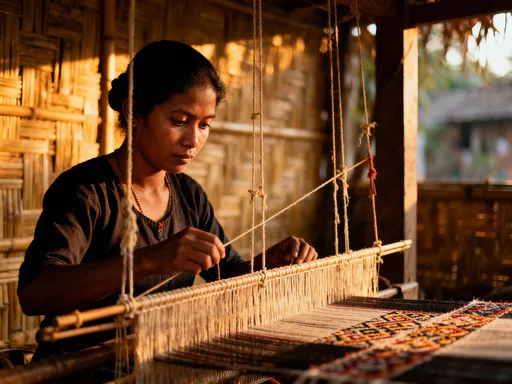
Moreover, Hallstatt’s deep historical roots provide a rich cultural foundation. Archaeological evidence shows human settlement here for over 7,000 years, and the nearby salt mines—some of the oldest in the world—have shaped the region’s identity for millennia. This sense of continuity inspires artists to explore themes of memory, permanence, and transformation. A woodcarver might incorporate ancient Celtic symbols into his figures, while a textile artist weaves patterns based on traditional folk costumes. Even contemporary photographers often frame their work as a dialogue between past and present, capturing modern life against the backdrop of timeless landscapes. In this way, art in Hallstatt is not an escape from history, but a continuation of it.
The challenge, of course, is balancing this creative spirit with the pressures of tourism. Some artists have chosen to leave, seeking quieter places where they can work without interruption. Others have adapted, using the influx of visitors as both audience and opportunity. Pop-up exhibitions in private homes, limited-edition prints sold at local cafés, and collaborative projects with visiting artists from other countries have become part of the cultural fabric. The result is a dynamic, evolving scene—one that honors tradition while embracing new forms of expression.
Secret Studios: Where Artists Work Unseen
Just above the main footpath, tucked behind ivy-covered walls and unmarked staircases, are the private studios where Hallstatt’s artists create away from public view. These spaces are not designed for foot traffic or social media exposure. They are intimate, often humble rooms filled with the scent of linseed oil, wet clay, or freshly sanded wood. Some are converted attics with slanted ceilings and north-facing windows; others are former storage cellars repurposed into light-filled workspaces. Access is usually by appointment only, or during special open studio events held each summer as part of the Hallstatt Cultural Weeks.
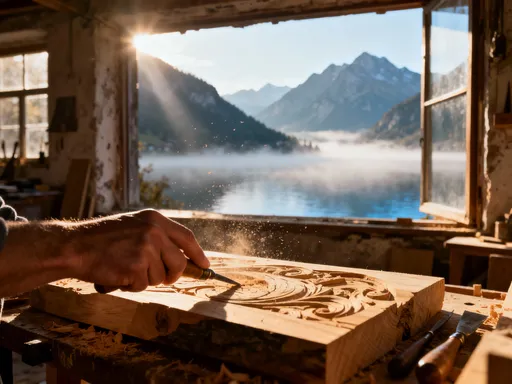
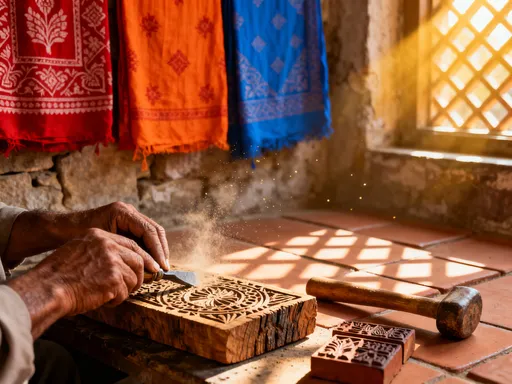
One such studio, located just off Oberer Marktplatz, belongs to a fourth-generation woodcarver whose family has lived in the village for over a century. Inside, shelves are lined with half-finished figurines—deer, saints, and mythical creatures carved from local spruce and pine. Chisels hang neatly on the wall, and a single workbench bears the scars of decades of use. The artist welcomes only a few visitors each week, preferring deep conversations over casual tourism. “I don’t make souvenirs,” he says. “I make pieces that carry meaning.” His work often reflects Alpine folklore, with subtle details that only locals would recognize—a particular knot in the wood, a gesture of the hands, the tilt of a hat.
Another studio, perched on the hillside near the Protestant cemetery, is home to a ceramicist who uses clay sourced from the lakebed. Her process is slow and meditative: collecting, drying, filtering, and firing the material in a small kiln behind her home. The resulting pieces—bowls, vases, and sculptural forms—are glazed in earthy tones that mirror the surrounding landscape. She occasionally hosts small workshops for visitors who want to try their hand at the craft, but emphasizes mindfulness and respect for the material. “Clay remembers everything,” she says. “Just like this village.”
For travelers hoping to discover these spaces, the key is discretion and timing. Many artists list their contact information on community bulletin boards near the post office or library. Others share details through word of mouth or local guides. It’s important to approach these visits with humility—knocking only when invited, refraining from intrusive photography, and never assuming that a studio is open just because its door is ajar. These are workplaces, not attractions. But for those who respect the boundaries, the reward is rare: a glimpse into the heart of Hallstatt’s creative life, where art is not performed, but lived.
The Hidden Galleries: Art You Might Walk Past
Not all art in Hallstatt is hidden behind closed doors. Some of the most compelling galleries are embedded within everyday spaces—old homes, family-run shops, and quiet corners of the village that blend seamlessly into the streetscape. These venues rarely advertise with bold signs or digital banners. Instead, they rely on curiosity, timing, and a willingness to look closely. A small plaque on a weathered door, a single painting in a café window, or a hand-drawn notice taped to a shop counter might be the only clue that art is waiting inside.
One such space is located just steps from the Catholic Church of Saint Michael. Housed in a 16th-century building that once served as a merchant’s storage room, it now functions as a rotating exhibition space for local painters and photographers. The gallery has no official name and operates only during the warmer months, opening its doors on weekends or by request. The walls are thick stone, the lighting soft and natural, and the creak of the wooden floor adds to the sense of stepping into another time. Exhibits often focus on seasonal themes—autumn reflections on the lake, winter mist rising from the shore, or the first green shoots of spring in the high meadows. Visitors are welcome to browse, and many works are available for purchase, with proceeds supporting the artists directly.
Another unassuming gallery can be found above a lakeside café near the ferry dock. Climb the narrow staircase, and you’ll enter a sunlit room where watercolors and ink drawings line the walls. The owner, a retired schoolteacher and amateur painter, curates the space as a tribute to Hallstatt’s artistic legacy. Rotating displays include works by regional artists, many of whom studied in Salzburg or Vienna before returning to the village. The collection ranges from realistic landscapes to abstract interpretations of alpine light and shadow. Because the gallery is not commercialized, there is no entrance fee—just a suggestion box for voluntary contributions that help cover maintenance and framing costs.
Then there are the pop-up galleries that appear during festivals or cultural events. A former bakery might temporarily house a sculpture exhibit; a private home could open its living room as a viewing space for textile art. These ephemeral venues are often announced through local networks—flyers in guesthouses, mentions on the community radio station, or posts on the village’s official tourism website. They reflect a grassroots approach to art sharing, one that values connection over commerce. For visitors, discovering one of these spaces feels like unlocking a secret—a reminder that Hallstatt’s creative spirit is not confined to institutions, but thrives in the everyday.
Public Art & Installations: Surprises Along the Path
Art in Hallstatt is not limited to galleries and studios. It also lives in the open air, quietly integrated into the village’s architecture and natural landscape. These public installations are often overlooked by hurried tourists, yet they carry deep meaning for those who take the time to notice. A carved wooden figure tucked into a rock crevice, a bronze plaque embedded in a stone wall, or a seasonal sculpture made of ice and pine branches—all serve as subtle markers of identity, memory, and place.
One of the most moving examples is the series of engraved stone markers along the path leading to the salt mines. Each stone bears a short poem or historical fact about the miners who once worked in the tunnels beneath the mountain. The inscriptions, written in both German and English, reflect on themes of labor, endurance, and community. The stones are unobtrusive, placed at intervals that encourage pause and reflection. For many locals, this path is not just a tourist route, but a pilgrimage to their ancestors’ legacy. The art here does not shout; it whispers, inviting contemplation rather than applause.
Another installation, located near the northern end of the lakeside promenade, features a collection of hand-carved wooden birds mounted on iron poles. Created by a local woodworker as a tribute to the region’s migratory species, the birds are detailed and lifelike, each representing a species that passes through the valley each year. In spring, children often stop to name them, while photographers capture the way the morning light filters through their wings. The piece changes with the seasons—some birds are temporarily removed during winter, returning with the first thaw as a symbol of renewal.
Seasonal art also plays a role in Hallstatt’s cultural rhythm. During Advent, the village square is adorned with handmade wooden stars and nativity scenes crafted by local artisans. In summer, temporary sculptures made from recycled materials appear in hidden corners—woven willow figures, floating lanterns on the lake, or land art created from stones and flowers. These works are not permanent, nor are they meant to be. Their impermanence is part of their message: beauty is fleeting, and attention is a gift. For the observant traveler, these installations transform a simple walk into a journey of discovery, where every turn might reveal a new detail, a hidden message, or a quiet moment of wonder.
How to Experience Hallstatt’s Art Scene Like a Local
To truly connect with Hallstatt’s artistic side, timing and mindset are essential. The best moments to explore are early in the morning or late in the afternoon, when day-trippers have returned to their hotels and the village settles into a quieter rhythm. Plan your visit during the shoulder seasons—late spring or early autumn—when the weather is mild and the crowds are thinner. This not only improves the experience but also reduces the strain on the village’s infrastructure, which has struggled in recent years with overtourism.
When visiting studios or small galleries, always ask before entering and respect any posted hours or guidelines. Many artists appreciate genuine interest and are happy to share their process, but they also value their privacy and working time. Avoid loud conversations, keep photography respectful (no flash, no tripods without permission), and refrain from touching artworks unless invited. If you enjoy a piece, consider purchasing it directly or making a donation—this support is vital in a community where tourism income often flows to large operators rather than individual creators.
Stay informed by checking local bulletin boards, asking your host, or visiting the Hallstatt Tourism Office for information on upcoming events. The annual Kultur Sommer (Culture Summer) program features concerts, exhibitions, and open studio days that offer rare access to private spaces. Some guesthouses even host small art displays in their lobbies or gardens, rotating works from local artists throughout the season. Engaging with these initiatives helps sustain the cultural ecosystem and fosters meaningful connections between visitors and residents.
Finally, adopt a mindset of mindful tourism. Walk slowly. Listen. Look beyond the obvious landmarks. Let yourself be surprised by a painting in a window, a sculpture in a garden, or a conversation with a local artisan. These moments may not make it onto social media, but they will stay with you longer. Hallstatt’s art scene is not about grand gestures or viral moments—it’s about presence, patience, and the quiet joy of discovery.
The Bigger Picture: Why Hidden Art Matters in a World of Overtourism
Hallstatt stands at a crossroads. Its global popularity has brought economic benefits, but also challenges—overcrowding, environmental strain, and the risk of becoming a theme park version of itself. In this context, the village’s hidden art spaces represent more than creative expression; they are acts of resistance and resilience. They remind us that a place is not just a view, but a living culture shaped by generations of people who live, work, and create within it.
Art offers an alternative narrative to mass tourism. While photos of the lake and mountains circulate endlessly online, the quiet studios, family-run galleries, and public installations tell a different story—one of continuity, care, and quiet pride. They invite travelers to look deeper, to move beyond consumption and into connection. When you buy a hand-carved figure from a local artist, attend a small exhibition in a converted home, or pause to read a poem on a stone marker, you are not just observing culture—you are participating in it.
Moreover, supporting local art helps preserve Hallstatt’s identity in the face of homogenization. As global chains and mass-produced souvenirs threaten to dilute the village’s character, handmade works become symbols of authenticity. They carry the fingerprints of their makers, the stories of their materials, and the spirit of a place that refuses to be reduced to a backdrop. For residents, these creative spaces are not just livelihoods—they are anchors, keeping them rooted in a world that often feels transient.
For travelers, seeking out these hidden gems transforms a visit from a checklist into a journey of meaning. It shifts the focus from “seeing everything” to “feeling something.” It encourages slower travel, deeper observation, and greater empathy. In a world where destinations are often loved to death, art becomes a bridge—between visitor and resident, past and present, beauty and belonging.
The true magic of Hallstatt is not in its perfection, but in its imperfections—the crooked doorframe, the chipped paint on a window box, the studio window left ajar with a single lamp glowing inside. These are the details that tell the story of a place that is still alive, still evolving, still creating. So the next time you find yourself in this alpine village, don’t just follow the crowd. Step off the main path. Look closely. Listen. Let the art guide you. Because the most unforgettable moments are not the ones you plan—they are the ones you discover when you slow down and allow yourself to see.”